
Best music distributors for indie artists in 2026
Looking for the best music distributor in 2026? Here’s an honest comparison of the top options for indie artists, including my personal choice

Are you looking for the best music distributor as an independent artist, but struggling to pick between some of the leading options? There are more distributors than ever in 2026, and picking between them isn’t always easy.
Show table of contents Hide table of contents
I use DistroKid myself as an independent music producer, and I’ve also used SoundCloud for Artists in the past. In this article, I’m going to break down my picks for the best music distributors for indie artists today.
A quick note for transparency
I personally use DistroKid to distribute my music, and it’s my top recommendation for most indie artists releasing regularly. I’ve also used SoundCloud for Artists in the past.
For the other distributors mentioned below (like Ditto), I’m basing my comparison on publicly available information online — not hands-on personal use. Always double-check the present terms and pricing before you commit.

Quick summary of my top picks
| Distributor | Summary | Where to sign up |
|---|---|---|
|
DistroKid
|
My top pick for most independent artists releasing regularly (and the one I personally use). |
Check plans
at distrokid.com
|
|
Ditto Music
|
Another reputable subscription-based option, based on my research rather than personal use. |
Check plans
at dittomusic.com
|
|
SoundCloud for Artists
|
A good option if you’re already building an audience on SoundCloud (and one I’ve used in the past). |
Check plans
at soundcloud.com
|
My top choice: DistroKid (why I use it)
Website: distrokid.com
I personally use DistroKid as my distributor, and it’s my top choice and recommendation if you’re an independent artist, based on my own experience. I switched to DistroKid before launching this project — and all of my releases since then have been distributed through DistroKid.
Why DistroKid is a great fit for most indie artists
I think DistroKid is the best option for most independent artists because it’s easy to use, fast, and relatively reasonably priced. DistroKid lets you keep 100% of your streaming royalties (in other words, they don’t take a percentage cut) and distributes to most major platforms.
I found the setup process to be very straightforward and releases are delivered really quickly to stores. With DistroKid, you pay an annual fee for unlimited releases during that year — this makes sense if you, like me, release music regularly, because it’s usually more cost-effective than paying per release, which is how some other distributors work.
That said, it’s worth checking the present pricing and add-ons on the official DistroKid website before signing up, so you know exactly how much you’re going to end up paying, as these can affect the overall cost. If you need to distribute music under more than one artist, you’ll have to sign up for one of the higher plans, as the entry-level Musician plan is for one artist only.
How much does DistroKid cost?
With DistroKid, there is no option to pay monthly — you can only pay on a yearly basis. The price of DistroKid depends on the plan you go for. I personally use the “Ultimate” plan because it gives me access to all of the tools I need, but you may find that one of the lower plans suits your needs.
DistroKid’s yearly plans start from about $25 / €24 / £20 per year (pricing at the time of writing), depending on the tier you choose. Higher plans cost more and unlock additional features, such as distributing music under multiple artist names and access to certain add-ons.
Prices and available features can change over time, and some options (like YouTube Content ID or Beatport distribution) cost extra on top of the yearly fee, so it’s best to check the DistroKid website for the most up-to-date pricing before signing up. If you’re new to DistroKid, you can get 7% off your first year via this link.
My experience with DistroKid
I switched to DistroKid just before starting this new project (called finalmartin), and overall, it’s been great. My music is delivered to stores quickly, and I can keep track of all of my earnings in the “Bank” section of my account on the DistroKid website.
DistroKid also gave me access to some important features, such as claiming an Official Artist Channel on YouTube and, in my case, getting a verification badge on my Spotify profile. DistroKid also allows me to distribute my electronic music to Beatport, although this does cost an additional monthly fee.
I like that DistroKid doesn’t require much ongoing attention, leaving me to focus on creating and marketing my music. It won’t be the perfect choice for everyone, but for how I work as an independent electronic music artist, it’s been excellent. That’s why it’s my top recommendation for most indie artists.
Best alternative I haven’t personally used: Ditto
Website: dittomusic.com
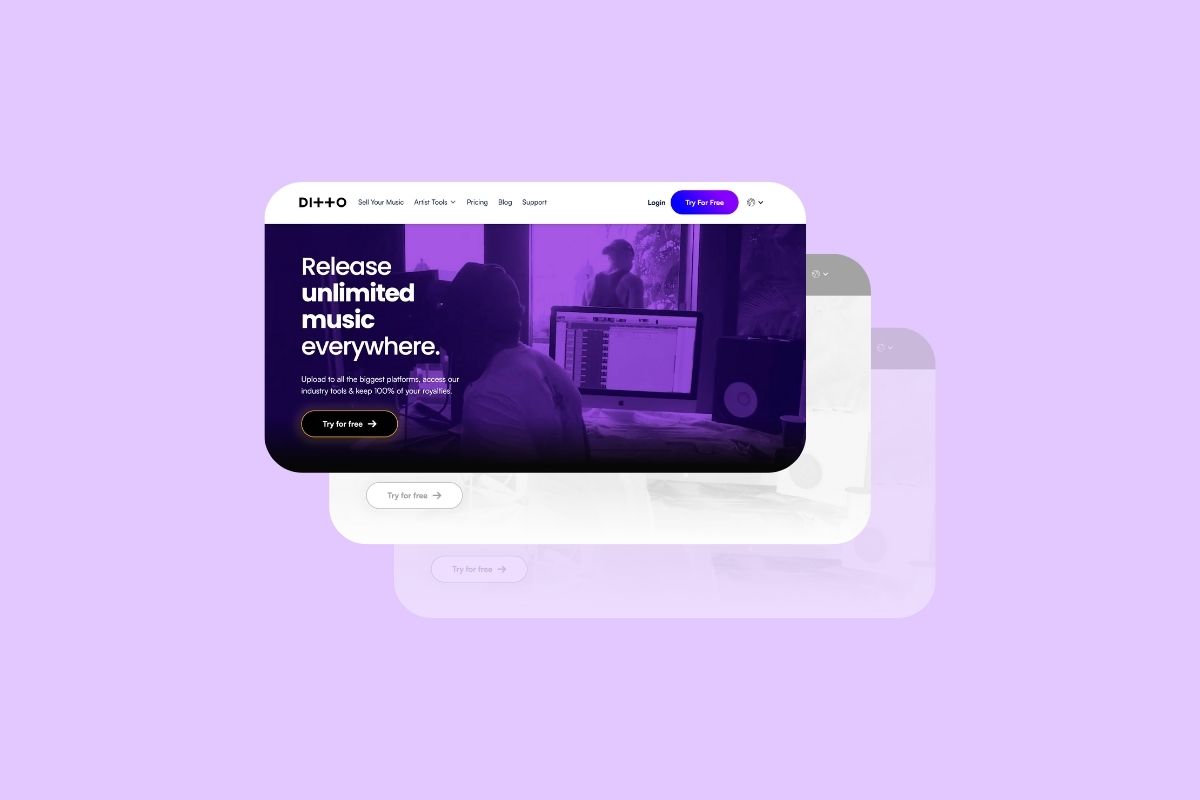
Based on my research, Ditto is a strong alternative if you’re looking for a reputable, subscription-based music distributor that’s popular with independent artists. It’s a UK-based company that’s been around since the mid-2000s and is well established in the independent music space.
A quick note for transparency
I haven’t personally used Ditto to distribute my own music, so I can’t speak from hands-on experience about things like the upload process and customer support. Everything here is based on information from Ditto’s website and how it compares on paper to other subscription distributors like DistroKid and SoundCloud for Artists. That said, based on my research, Ditto looks like a very solid option.
Why consider Ditto?
Like DistroKid, Ditto offers unlimited releases, lets you keep 100% of your streaming royalties (the distributor doesn’t take a percentage cut), and distributes to most major platforms, including Spotify, Apple Music, TikTok, Amazon Music, and more. Features such as royalty splits, pre-save links, and YouTube Content ID are available depending on the plan you select, so it’s important to check what’s included before signing up. As with DistroKid, if you need to distribute music under more than one artist, you’ll have to sign up for one of the higher plans.
On the higher plans, Ditto also offers additional features, such as the chance to apply or pitch your music for TV and movie sync opportunities. Ditto also supports Beatport distribution, but you’ll need to set up a Beatport label through them — something I haven’t done myself.
How much does Ditto cost?
Ditto uses a yearly subscription model, with plans starting from about $19 / €19 / £19 per year (pricing at the time of writing) and higher tiers available depending on how many features or artists you need. The more advanced plans cost more.
These prices are rough estimates and subject to change, so you should always check Ditto’s official pricing page to see what’s included at present before committing. As with DistroKid, there’s no option to pay monthly.
Best if you’re building on SoundCloud: SoundCloud for Artists
Website: artists.soundcloud.com
Before switching to DistroKid, I had previously used SoundCloud for Artists, which I rate as another good option. I initially opted to use SoundCloud for Artists because I was already using SoundCloud to share some of my tracks, and using their distribution service made sense from a simplicity standpoint.
Why SoundCloud for Artists is a solid option
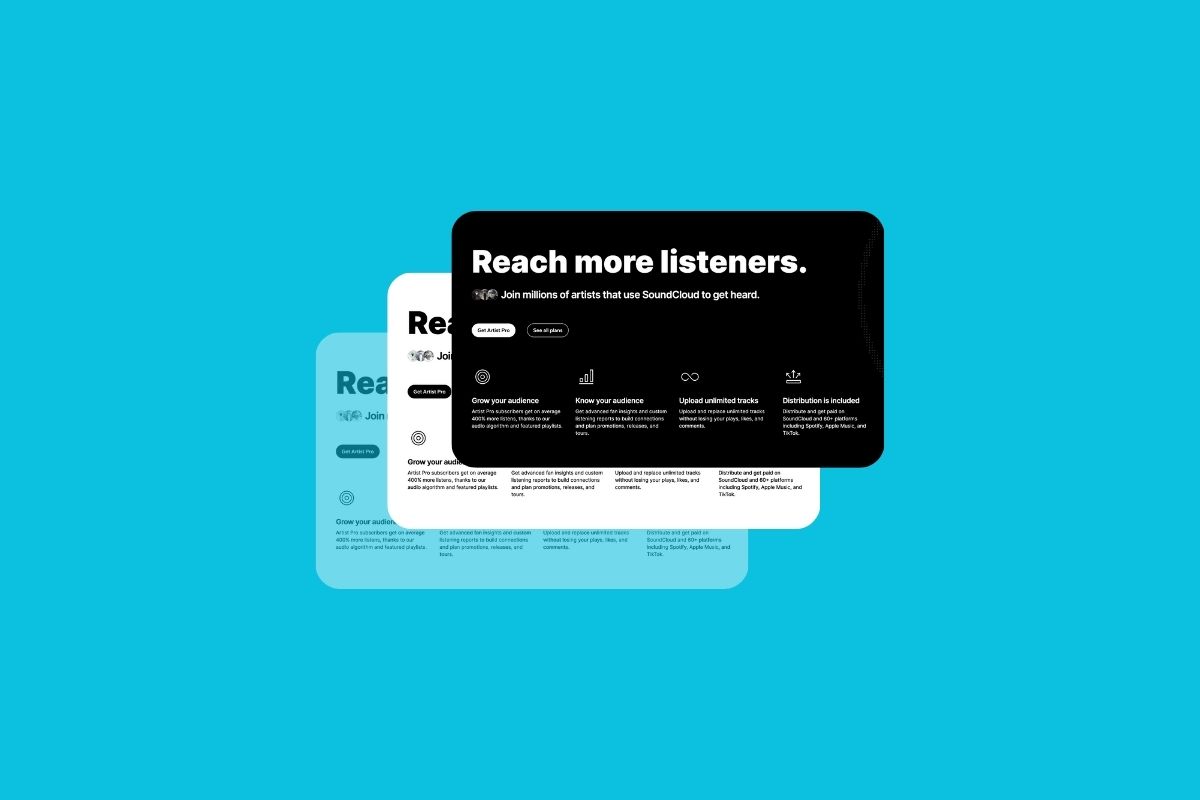
I rate SoundCloud for Artists as another good option, especially if you are already building on there. If you already have a following and have put music out on SoundCloud, it’s an easy way to get your tracks delivered to stores such as Spotify and Apple Music.
The upload and release process was very straightforward, and I didn’t run into any major issues using the SoundCloud for Artists distribution service, although I only released about 10 tracks through them in total.
I personally used the Artist Pro plan, which gives you unlimited releases. You can choose to pay on a monthly or yearly basis, which is great for flexibility.
How much does SoundCloud for Artists cost?
SoundCloud for Artists offers both monthly and yearly subscription options. Plans start from about $39 / €36 / £27 per year (pricing at the time of writing), with higher tiers available if you want unlimited releases and access to additional tools.
Pricing and features can change, so it’s worth checking SoundCloud’s official website for the latest details before signing up, including if you’re deciding between monthly and yearly billing.
My experience with SoundCloud for Artists
As I mentioned above, my experience with SoundCloud for Artists overall was positive. I really had no complaints, and it’s great that features such as YouTube Content ID and custom label names are included as standard in the Artist Pro plan at the time of writing this article.
Ultimately, my decision to switch to DistroKid was largely because, at the time I used SoundCloud for Artists, there was no option to distribute my music to Beatport. Overall, I think SoundCloud for Artists remains a solid option if you’re an independent artist.
How to choose the best music distributor for you
The “best” music distributor for you depends on how often you release music and what features you actually need. If you release regularly, a subscription-based distributor like DistroKid, Ditto, or SoundCloud for Artists usually makes the most sense. If you only plan to release music occasionally, it’s worth checking whether a per-release model works out cheaper in the long run.
It’s also important to think beyond price. Consider things like ease of use, which platforms you want to distribute to (for example, Beatport for electronic music), and whether you need features like royalty splits or YouTube Content ID. There’s no single “best” option for everyone — the right distributor is the one that fits how you release and promote your music. And although I know it’s boring, I always recommend doing some of your own research before committing.
FAQ
Which music distributor is best for indie artists in 2026?
It depends on how you plan to release your music. If you put out music regularly, DistroKid is my top pick and what I personally use.
Is Ditto better than DistroKid?
I think they’re both solid options. I personally use DistroKid, but it’s worth comparing features and pricing before deciding. They are both similar in that they use a yearly subscription pricing model and are both established music distribution companies. Ditto Music offers some cool extras like the option to set up music publishing royalty collection, while DistroKid supports Beatport distribution for a simple additional monthly fee (Ditto also supports Beatport distribution, but you’ll have to set up your own Beatport label through them — something I haven’t done myself).
Is CD Baby better if I release occasionally?
Potentially. CD Baby charges per release rather than a yearly subscription fee, which may work out better if you only release music every now and then.
Can I upload directly to Spotify or Apple Music without a distributor?
In almost all cases, no. Platforms like Spotify and Apple Music require you to use an approved distributor unless you have a direct label deal.
What happens if I cancel my distributor subscription?
Depending on the distributor and your plan, your music may be taken down after you cancel unless you pay for an option to keep it live, so it’s important to understand the terms before cancelling. I strongly recommend carefully reading the relevant terms and agreements before committing to a distributor.
My final thoughts
So, that brings us to the end of my look at some of the best music distributors for independent artists. I personally use DistroKid to distribute all of my music and it’s my top recommendation for indie artists based on my own experience — but Ditto and SoundCloud for Artists are also good options in my opinion, and it really depends on what you’re looking for in terms of features and pricing structures.